
by Freddy Tran Nager, Founder of Atomic Tango + Brand Strategist…
In our version of chicken-and-egg, we marketers love to debate which should come first:
- Needs: Some say you should research customer needs and preferences before developing a product.
- Product: Some — primarily entrepreneurs, inventors, and artists — say you should create whatever inspires you, then make customers want it.
- Brand: And some say if you create a great brand first, you can sell almost anything with its logo on it.
Now, in the real world (where many professors and pundits fear to tread), you’ll find examples of all the above, both successful and disastrous. Of course, many marketers refuse to admit when they’re not absolutely right. So when confronted with real world examples, they’ll reduce their argument to the point of absurdity.
For example, try telling a needs-based marketer that some musician just composed a hit based on her own inspiration — no research at all. He’ll likely respond that the musician still met a customer need that she instinctively knew, or that she passively acquired customer insights somewhere along the path of her life. If you point out that “instinct and passive acquisition are NOT research,” he”ll counter that she still met her own needs, and she’s a customer of her own music, right?
That’s when you sigh, turn away, and slam your forehead against the nearest wall.
I recently had a similar debate with a marketer on Twitter who posted the following:
“We don’t get ppl to try our product by convincing them to love our brand.
We get them to love our brand by convincing them to try our product.”
Cute. And sometimes true. Sometimes.
BUT there are exceptions to the product first rule. Many exceptions. Let’s just look at beer…
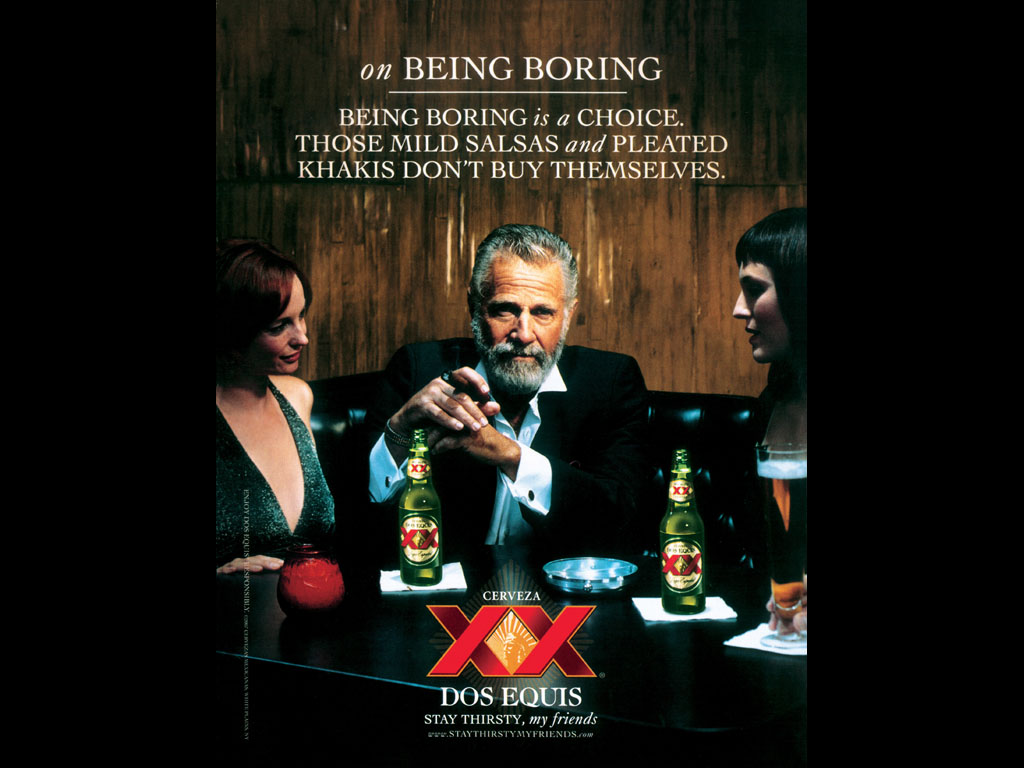
- I tried my first Dos Equis beer because of the brilliant “Most Interesting Man In the World” campaign — not because I had heard anything about the quality of the brew. Indeed, these commercials don’t talk about the taste of the beer — in fact, they downplay the entire beverage category (“I don’t always drink beer…”). But that brand-centric campaign propelled Dos Equis to being the No. 1 imported beer in the United States.
- In the same category, Pabst Blue Ribbon won over hipsters, not because they prefer beers that taste like rusty tap water, but because they dig the retro, niche image PBR conveys.
- Likewise, Miller Lite boosted sales by bringing back their vintage label design. And if there’s one beer that makes PBR taste good, that’s Miller Lite. The headline of the Bloomberg story says it all: “How Miller Lite Tricked New Drinkers Into Liking Its Same Old Beer”

When you can’t sell the flavor, you talk about the packaging.
With these beers, consumers loved the brand (or at least were curious about it) before they tried the product, and they kept buying that brand even though there are better options on the market.
When The Brand Is The Product
Some brands are so admired, the product is simply an excuse for customers to flaunt the logo. When I was living in Taiwan, I’d see vendors briskly selling T-shirts emblazoned with the names of famous American universities, even though most of the buyers had never attended those schools. So what exactly were the customers buying? It wasn’t the quality of the shirts.
Other examples:
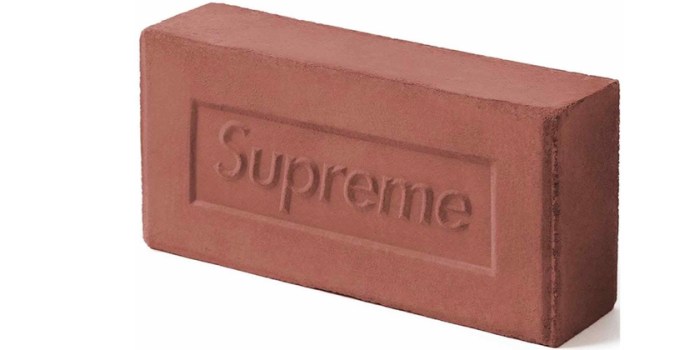
- Streetwear brand Supreme can slap their logo on anything — from bouncy balls to toy blimps to actual bricks — and the brand’s fans will line up to buy it at insane prices.
- When Starbucks opened in China, throngs of people waited to get in, even though they had never tried the product. What’s more, most Chinese prefer tea, and coffee lovers will tell you that Starbucks is hardly the world’s best. But these customers spent $8 (more than a day’s wage for some) on a cup of Starbucks to show how Western, sophisticated, and “wealthy” they were. That’s brand love.
- Then there’s Fiji Water, which has beautiful packaging, celebrity relationships, and the exotic tropical imagery and back story, but it’s simply H20. Customers were intrigued by the brand in a category (bottled water) that’s driven far more by image than product features. Fiji Water could probably have the same success applying that tropical brand imagery to fashion — oh, wait, Tommy Bahama already does that.
- When the Kardashians put their name on a clothing line at Sears — perhaps the worst place to buy fashion in America — many of the items sold out within 24 hours. Where’s the product trial that led to love of that brand?
- Indeed, many celebrities make money by putting their personal brands on products. Dr. Dre became the first hip-hop billionaire by selling Beats by Dre — not the best headphones on the market, but arguably the best marketed. Music fans love Dre’s brand, which got them to pay a premium for his headphones.
As long as the product meets minimum quality standards — it won’t disintegrate on touch or kill you — then customers might just love it. But without the strong brand to begin with, these customers might never have even heard of these products, least of all tried them.
The Brand As Entry Ticket
We live in hyper-competitive times with tens of thousands of products available in a single store. You’ll find very few unique products, or even products so remarkable that they tower over the competition. A strong brand must come first just to get the attention of an overwhelmed consumer — or to even get the product into the store in the first place.
I recently spoke with an Asian electronics company that wanted to break into the U.S. They had a sad-looking logo designed by their website programmers, and their website looked like a WordPress template. Their name (which I won’t disclose here) was a nonsense word they made up. I told them they would need total rebranding if they even hoped to get any attention in the congested U.S. market, where bigger electronics brands had failed, and where Samsung alone spends millions of dollars annually in advertising. Their response: help us get sales first, then they’ll work on the branding.
I suggested they try playing the lottery instead.
Of course, they wound up going nowhere. Through connections, they got a meeting with Costco, who bluntly told them that Costco isn’t interested in building someone else’s brand. Yes, the electronics company had a product to sell first, and it was something consumers need (based on sales by their competitors), but without a strong brand a major retailer wouldn’t even give their product a chance.
Beyond Customer Experience
I once knew a Silicon Valley VP of Marketing who strictly defined a brand as “customer experience,” which was her excuse for not investing in the image of the company. The problem: the company was a startup, so where was this “customer experience” going to come from?
Yes, a great customer experience is essential, but keep in mind that the primary purpose of a strong brand is to create trust, and if you don’t have that, very few people will give you a shot. So waiting for customer experience to shape your brand isn’t marketing; it’s giving up without a fight.
Picture a single guy who hits a trendy club without dressing up or demonstrating any personality. (Assuming the club admits him in the first place.) As his fashionable rivals work the room, he thinks, “If a girl would just go out with me, she’d have a great experience…”
Now this guy might get lucky — and it would certainly just be luck. Or he might spend the rest of the evening drinking by himself. Hopefully he’ll be drinking Dos Equis in the off chance it makes him interesting.
… or sell themselves.
Discover more from Atomic Tango
Subscribe to get the latest posts sent to your email.





Wonderfully entertaining and insightful, with great examples. Certainly makes the case for relentlessly building one’s brand.
Of course, I come for the quips, too: “And if there’s one beer that makes PBR taste good, that’s Miller Lite.” and “If a girl goes out with me (lonely single total cipher guy), she’ll have a great experience… Now if only a girl would talk to me…” were two of my faves. : )
Thanks, Mark. I’ll continue to work on quippage!